
Bali is renowned for its vibrant cultural heritage, where dance is more than just a performance but is a form of storytelling, devotion, and spiritual expression. Among the island's most treasured traditional dances is the Topeng Dance, a captivating masked performance that has been preserved for centuries.
What is Topeng Dance?
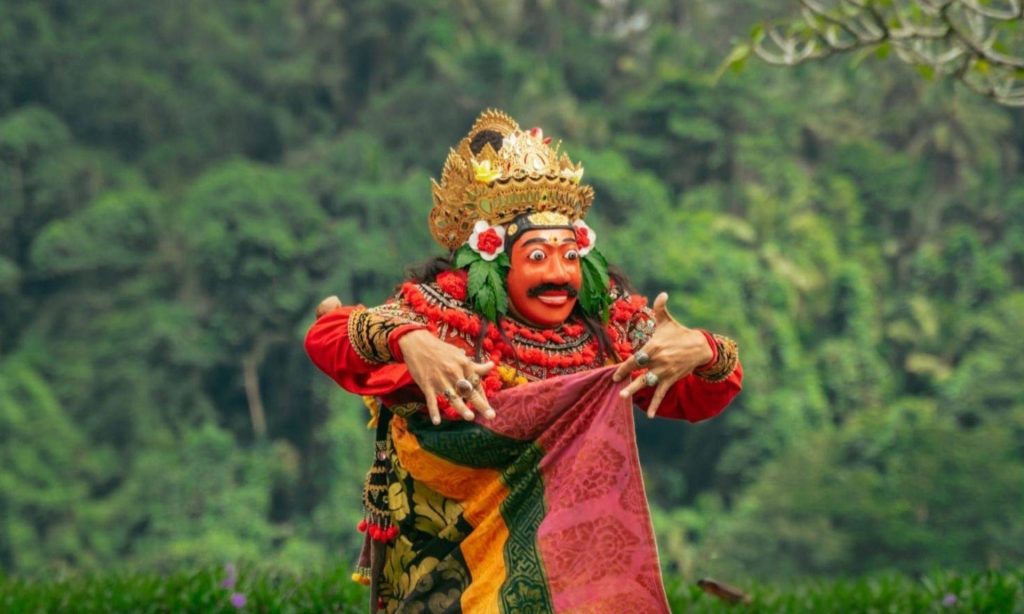
The word "Topeng" means mask in Indonesian. Topeng Dance is a traditional Balinese masked dance and drama in which performers wear intricately carved wooden masks to portray different characters from Balinese history, mythology, and folklore.
Unlike many other Balinese dances that focus primarily on graceful movements, Topeng combines dance, theatre, music, and storytelling. Through expressive gestures, body language, and occasionally spoken dialogue, each performer brings a unique character to life.
The History of Topeng Dance
Topeng Dance dates back to the 15th century during the Majapahit Kingdom. Originally performed within royal courts, it was used to recount historical events, honor kings, and preserve local legends.
Over time, the dance became an important part of Balinese cultural and religious life. Today, Topeng is performed not only for entertainment but also during temple ceremonies, religious festivals, and important community celebrations as an offering to the gods and ancestors.
In 2015, Topeng was included as part of the UNESCO-recognized Balinese Dance traditions, highlighting its significance as an important element of Bali's intangible cultural heritage.
The Meaning Behind the Masks
Every mask in a Topeng performance represents a different personality and social role. Skilled Balinese artisans carefully hand-carve and paint each mask, giving every character its own distinctive identity.
Some common characters include:
- Topeng Tua (The Old Man) – Represents wisdom, humility, and the passage of time. Despite slow and fragile movements, this character is deeply respected and often becomes the audience's favorite.
- Topeng Keras (The Strong Warrior) – Symbolizes courage, authority, and determination through powerful and energetic movements.
- Topeng Penasar – A storyteller and narrator who guides the audience through the performance, often adding humor and explaining the story.
- Topeng Dalem – Represents kings or noble rulers, portrayed with elegant and dignified movements.
Each mask reflects human emotions and personalities, reminding audiences about the balance between strength, wisdom, humility, and compassion.
The Performance
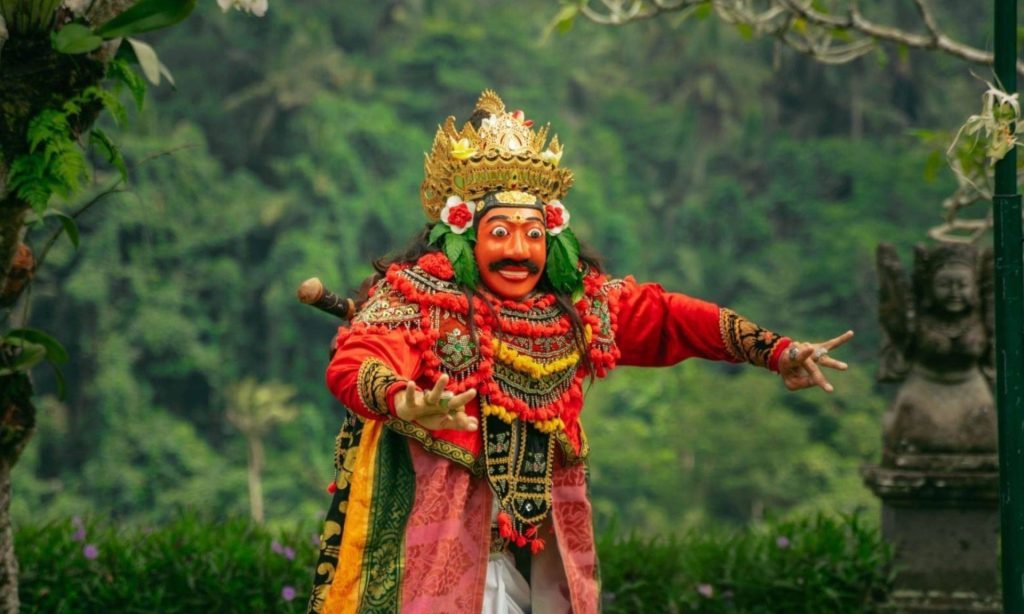
A traditional Topeng performance is accompanied by the enchanting sounds of a Balinese Gamelan Orchestra, featuring metallophones, drums, gongs, and bamboo flutes. The music changes with each character, creating different moods—from dramatic battles to lighthearted comedy.
One remarkable aspect of Topeng is that a single dancer may perform multiple characters, changing masks throughout the performance while seamlessly transforming posture, movement, and personality.
Topeng in Balinese Culture
For the Balinese people, Topeng is far more than a cultural performance. It serves as a bridge between the human and spiritual worlds.
Many temple performances are considered sacred, and dancers often undergo prayers and blessings before wearing the masks. Some masks themselves are believed to possess spiritual significance and are carefully stored inside temples when not in use.
At Puri Wulandari A Boutique Resort & Spa, guests are invited to immerse themselves in the timeless beauty of Balinese culture. Through traditional performances, authentic architecture, and warm local hospitality, every stay offers an opportunity to experience the island's rich heritage beyond its breathtaking landscapes.
Witnessing a Topeng Dance is more than watching a performance, it's discovering centuries of history, artistry, and spirituality that continue to shape the soul of Bali today.